Scrolio
The most interesting five minutes of your day.
You'll scroll anyway. Make it count.
Short true stories that feed your curiosity.
Three from the feed. Swipe each one.
· Aviation ·
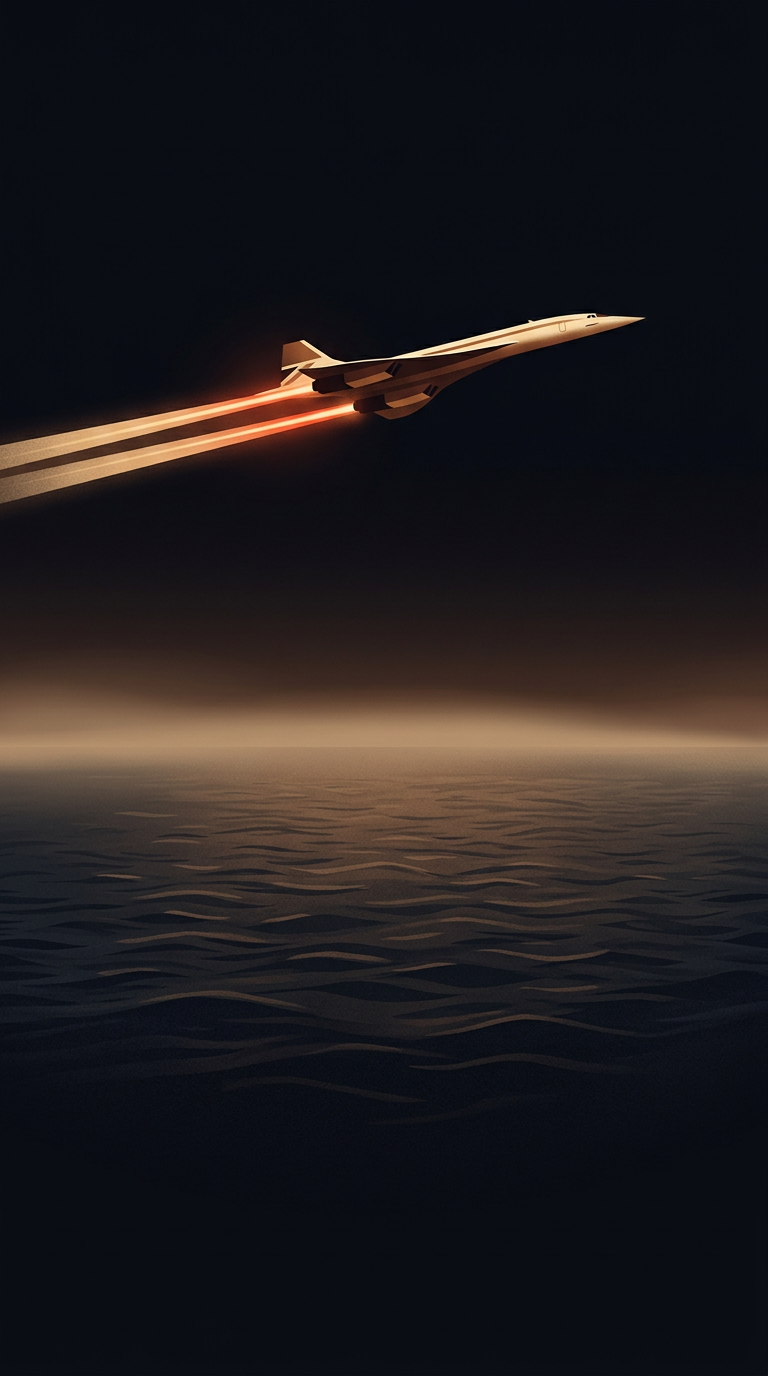
Concorde crossed the Atlantic in under three hours
On February 7, 1996, Concorde flew New York to London in 2 hours 52 minutes 59 seconds. It cruised at twice the speed of sound.
Faster than a rifle bullet at cruising speed
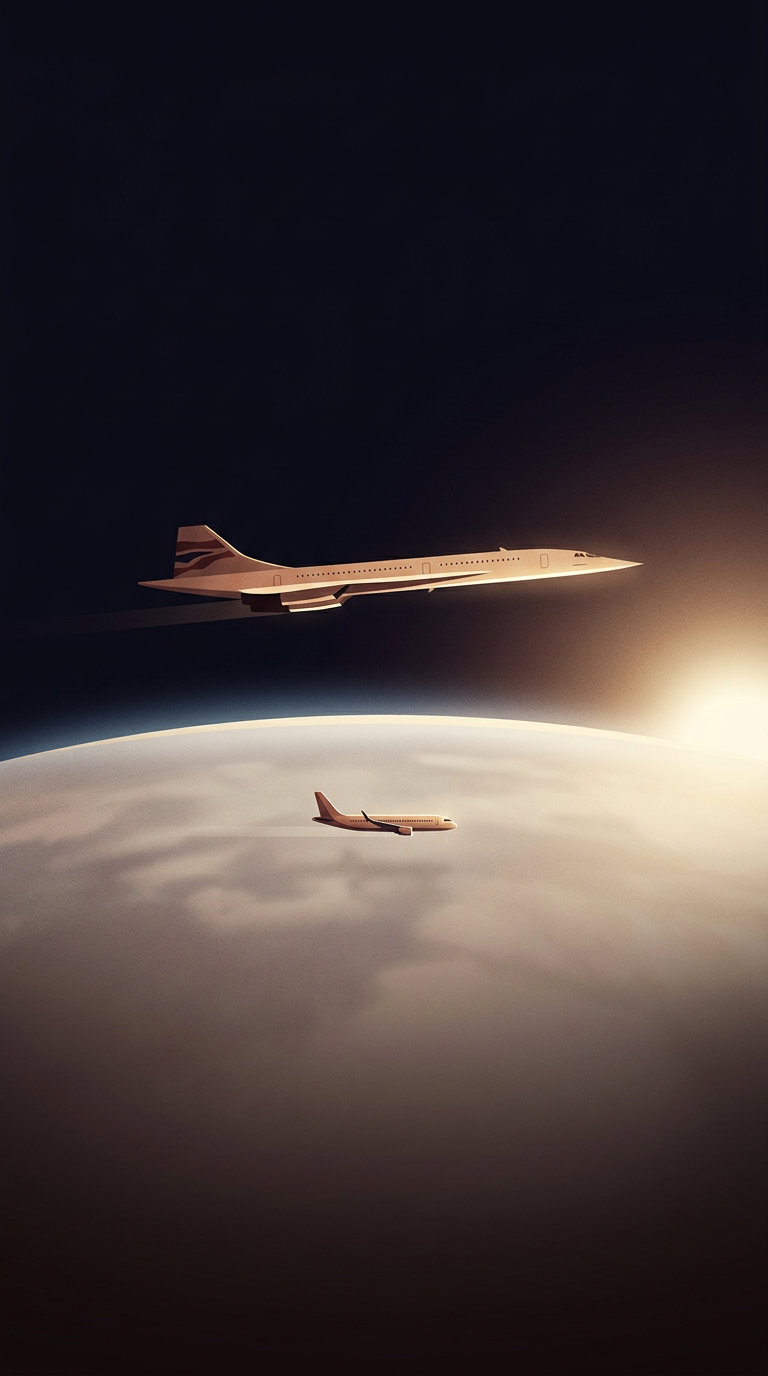
Concorde's cruising speed was Mach 2.04, about 1,350 miles per hour. At that pace, you outran the sun: leave Paris at sunset, land in New York with the sun still up. Passengers sipped champagne while the sky outside turned indigo, high enough to see the curve of the Earth.
The needle that could cook itself
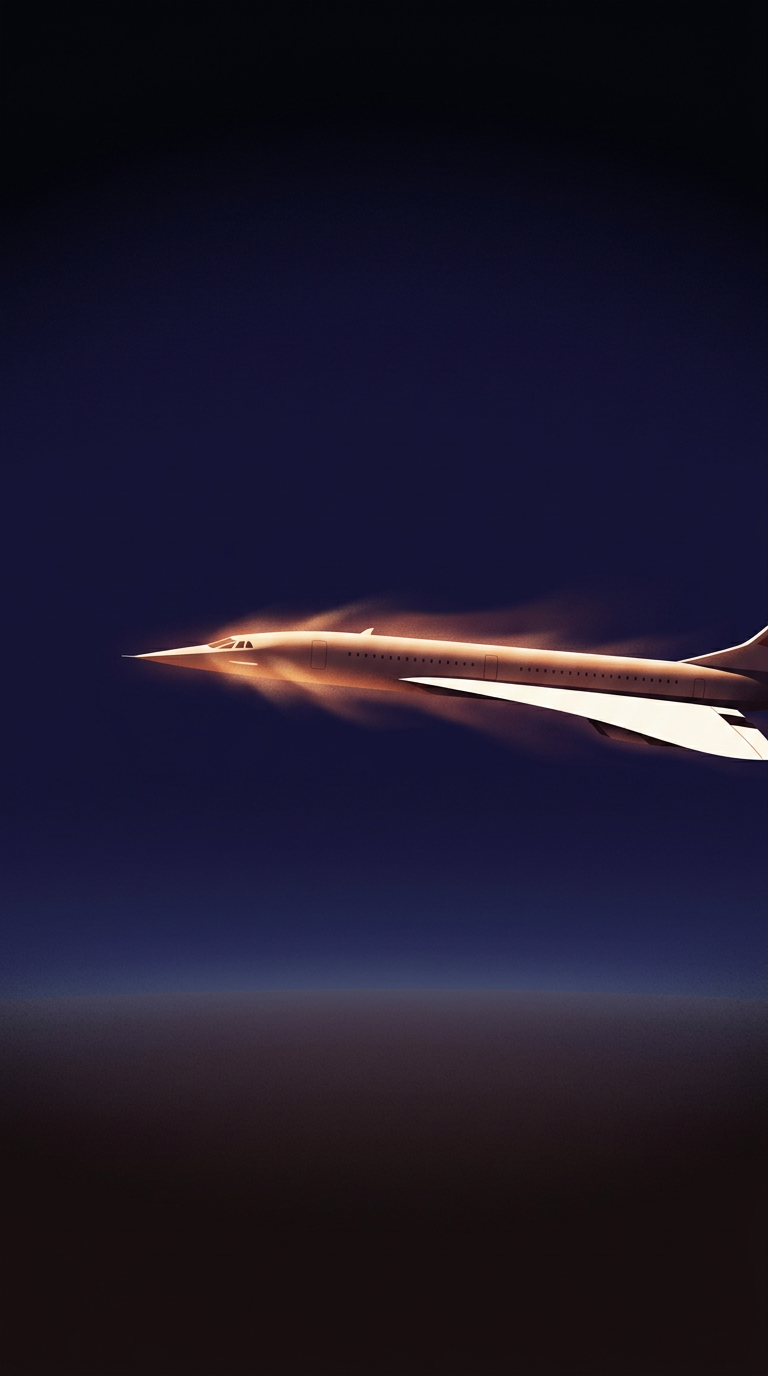
Concorde's nose reached 260°F during supersonic flight from air friction alone. Engineers used special paint that changed color if overheated, and the airframe stretched up to ten inches mid-flight as metal expanded.
The numbers behind the needle
Cruising altitude, twice as high as regular jets
Top speed, faster than the Earth rotates
Capacity of the narrow fuselage
Round trip ticket price in today's money
A sonic boom followed it across the ocean
Concorde could only go supersonic over water because its shock wave hit the ground like a thunderclap. Anyone beneath its path heard a double bang. This banned it from most overland routes and limited its profitable destinations to transatlantic crossings.
Air travel got slower after 2003
When Concorde retired on October 24, 2003, supersonic passenger flight ended. Today the same New York to London route takes about seven hours. We crossed the Atlantic faster fifty years ago than we do now, a rare case of commercial technology going backward.
Eleven miles high, above the weather
· Remote Places ·
A hidden mountain range exists under the ocean
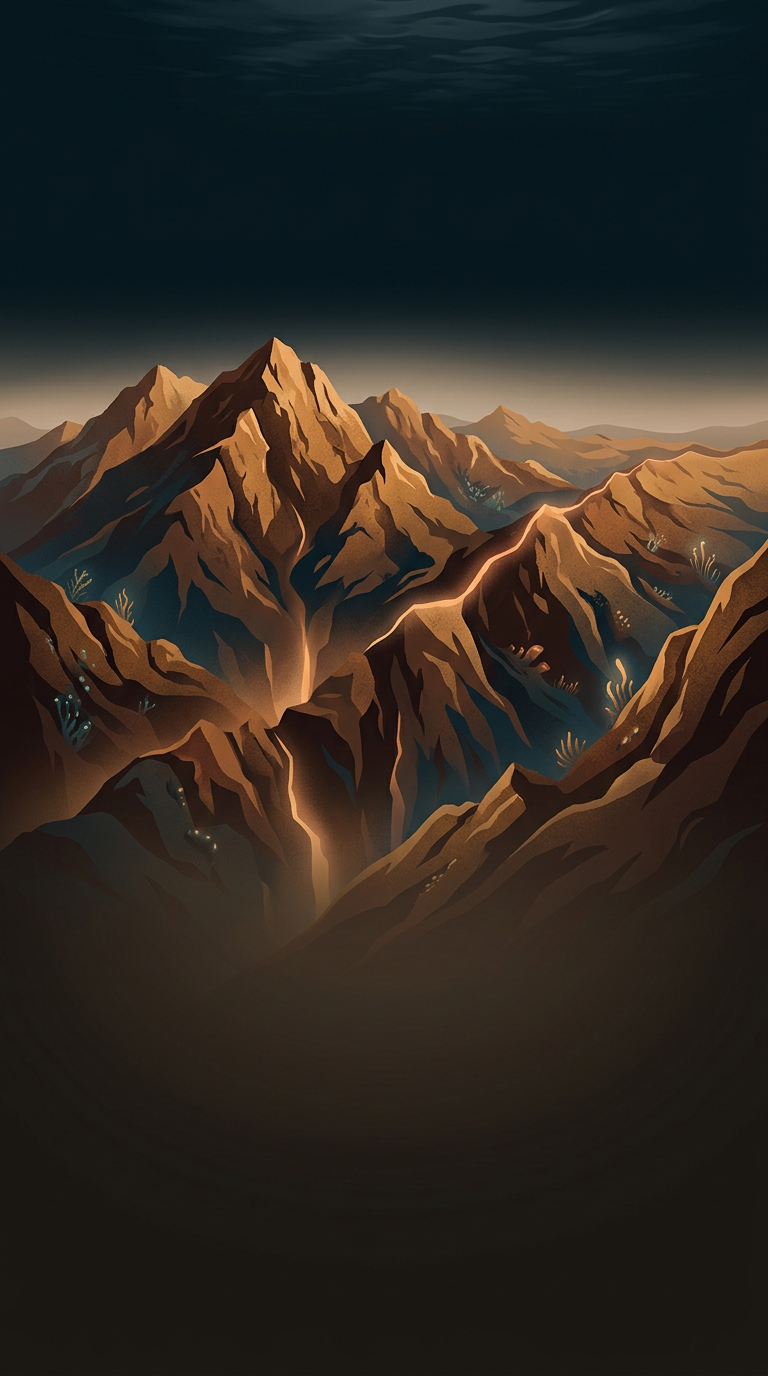
The Mid-Atlantic Ridge stretches over 10,000 miles from the Arctic to the Antarctic, making it Earth's longest mountain range, but nearly all of it sits underwater.
The ridge runs down the Atlantic like a spine
The Mid-Atlantic Ridge sits roughly halfway between the continents, following the center of the Atlantic Ocean from Iceland in the north down past Brazil and Africa to the Southern Ocean. It is not a single peak but a continuous chain of underwater mountains with valleys between them, wider than the Himalayas and taller than the Rockies in places. Most of its summits sit a mile or more below the surface.
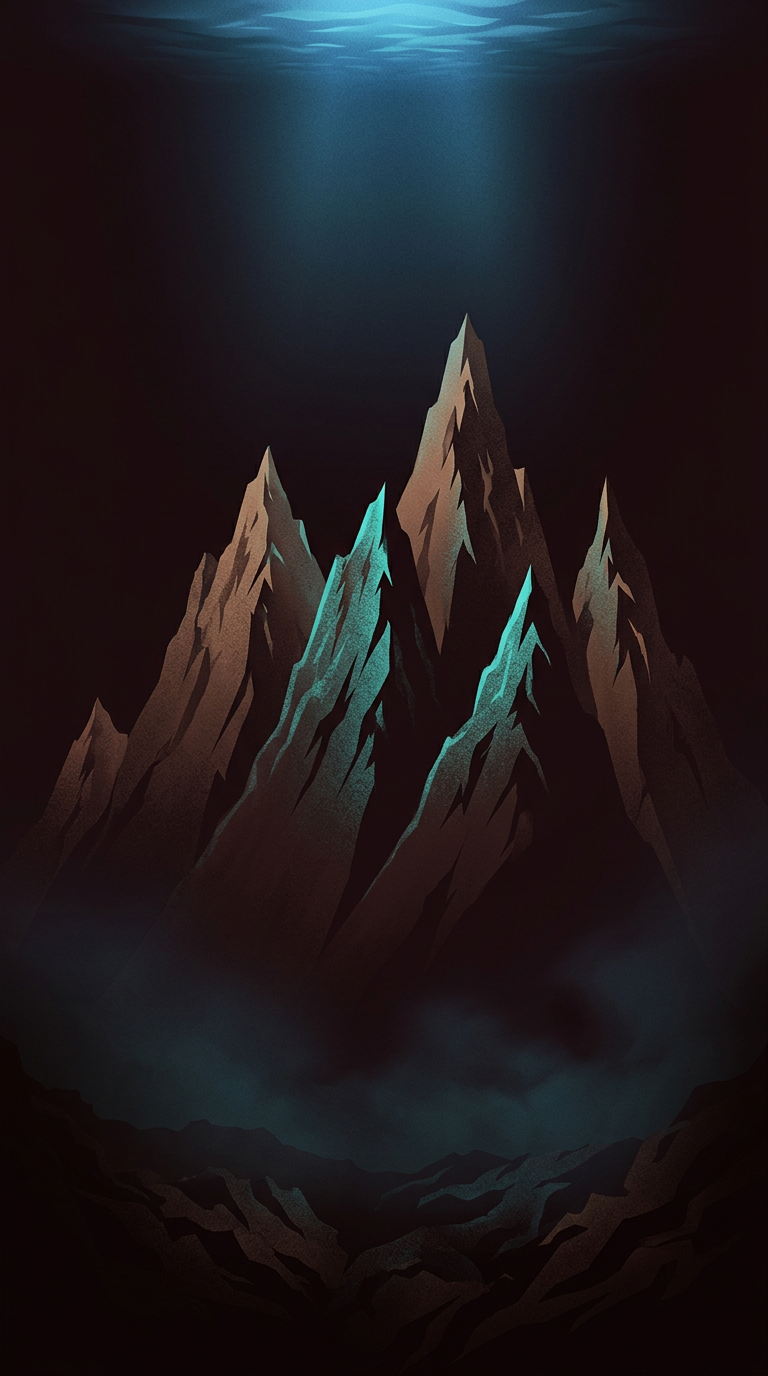
Peaks rise two miles from the ocean floor
Iceland and the Azores are the ridge breaking the surface
Almost the entire Mid-Atlantic Ridge stays hidden underwater, but in a few places its peaks climb high enough to become islands. Iceland is the largest piece of the ridge above sea level. The Azores, a cluster of Portuguese islands in the middle of the Atlantic, are mountaintops from the ridge. So is the tiny island of Bouvet, one of the most remote places on Earth, sitting alone in the South Atlantic.
The ridge is where two halves of Earth pull apart
The Mid-Atlantic Ridge marks the seam where the Eurasian and African plates on one side are slowly separating from the North American and South American plates on the other. Magma rises through the gap and cools into new ocean floor, pushing the continents farther apart at about the speed your fingernails grow. The ridge itself is the scar of that split, a chain of volcanoes constantly building new rock.
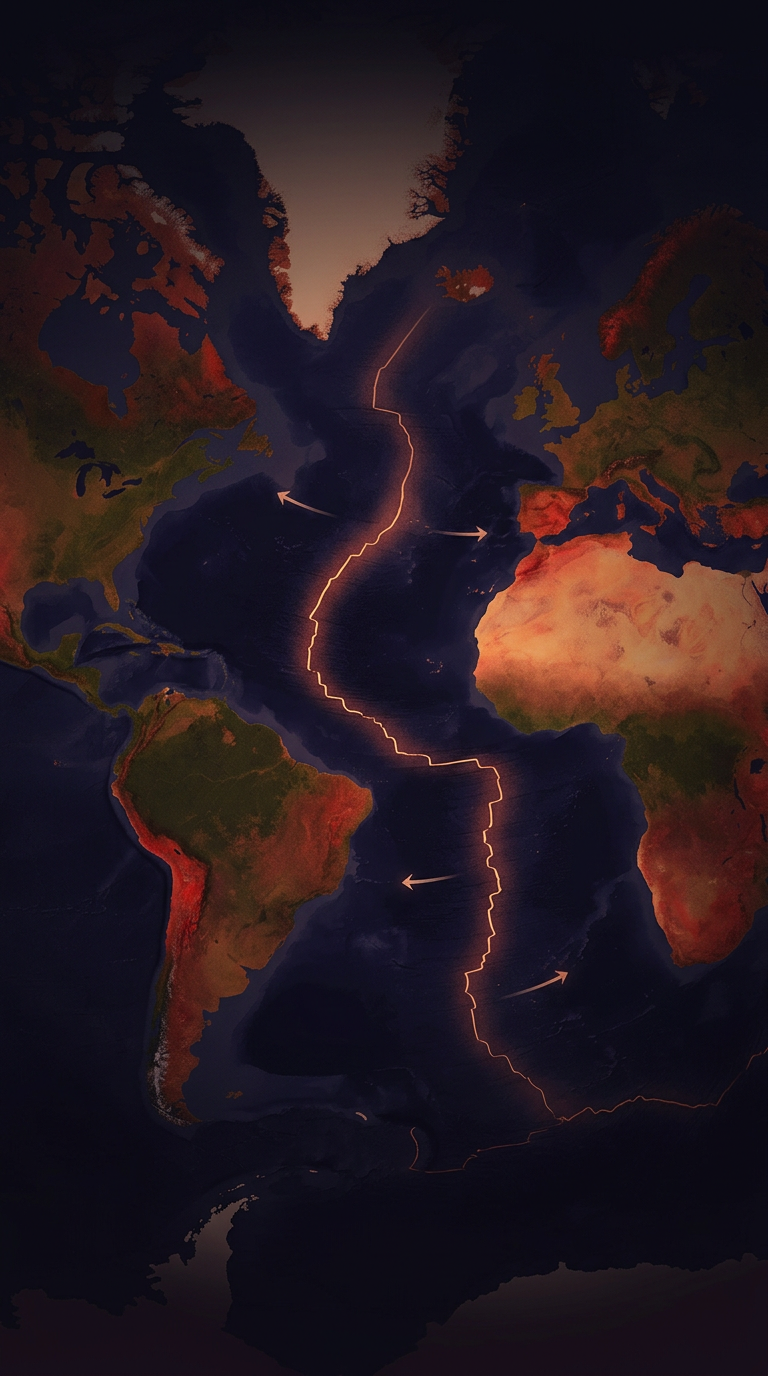
The Atlantic widens by an inch every year
The spreading happens so slowly that in a human lifetime the Atlantic grows only about six feet wider. Over millions of years, that crawl has opened an entire ocean.
We know less about the ridge than the Moon
The Mid-Atlantic Ridge was only discovered in the 1950s when ships began mapping the ocean floor with sonar. Even now, most of it has never been seen by human eyes or explored up close. The water is too deep and the range too vast. Scientists have visited a few sites with submersibles, finding bizarre life around hydrothermal vents where superheated water pours out of the rock, but most of the longest mountain range on the planet remains completely unknown.
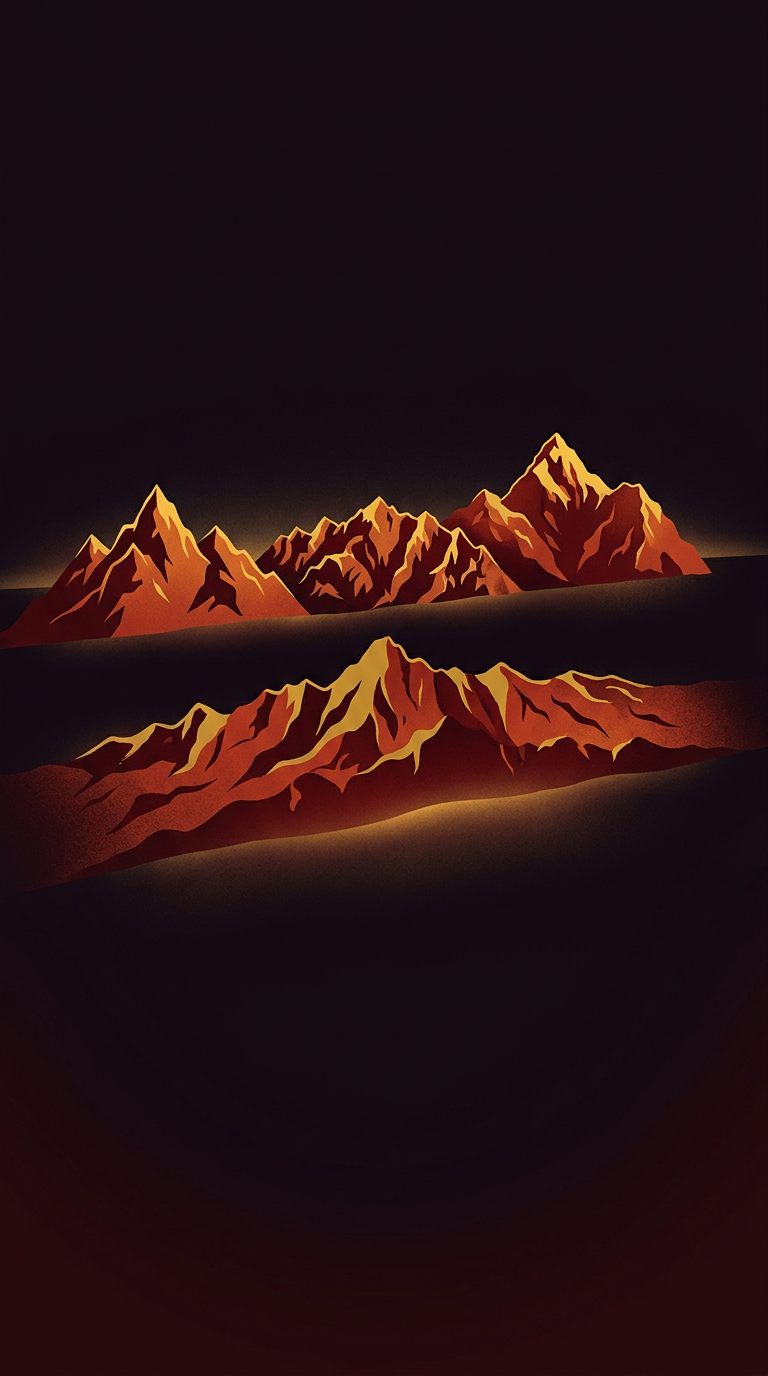
A mountain range longer than the Andes, Rockies, and Himalayas combined
· Ancient Literature ·
4,000 year old homework still survives
Thousands of clay school tablets from ancient Mesopotamia preserve student copies of literature on one side and the teacher's model on the other.
Scribal schools trained the elite
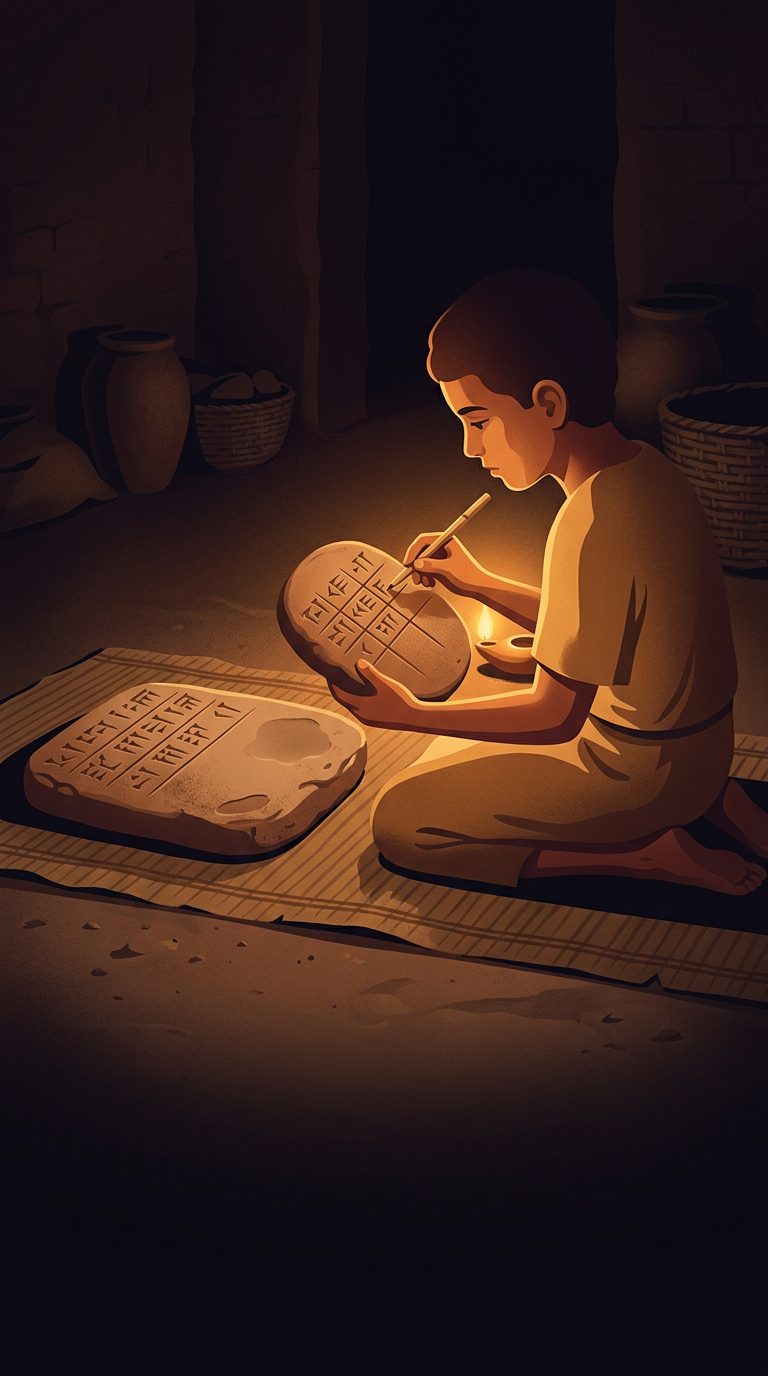
Mesopotamian cities ran scribal schools called edubba, the tablet house, where boys from wealthy families spent years learning to read and write cuneiform. The curriculum was brutal: students copied the same literary texts hundreds of times until they could reproduce them perfectly. Teachers beat mistakes out of them with a cane.
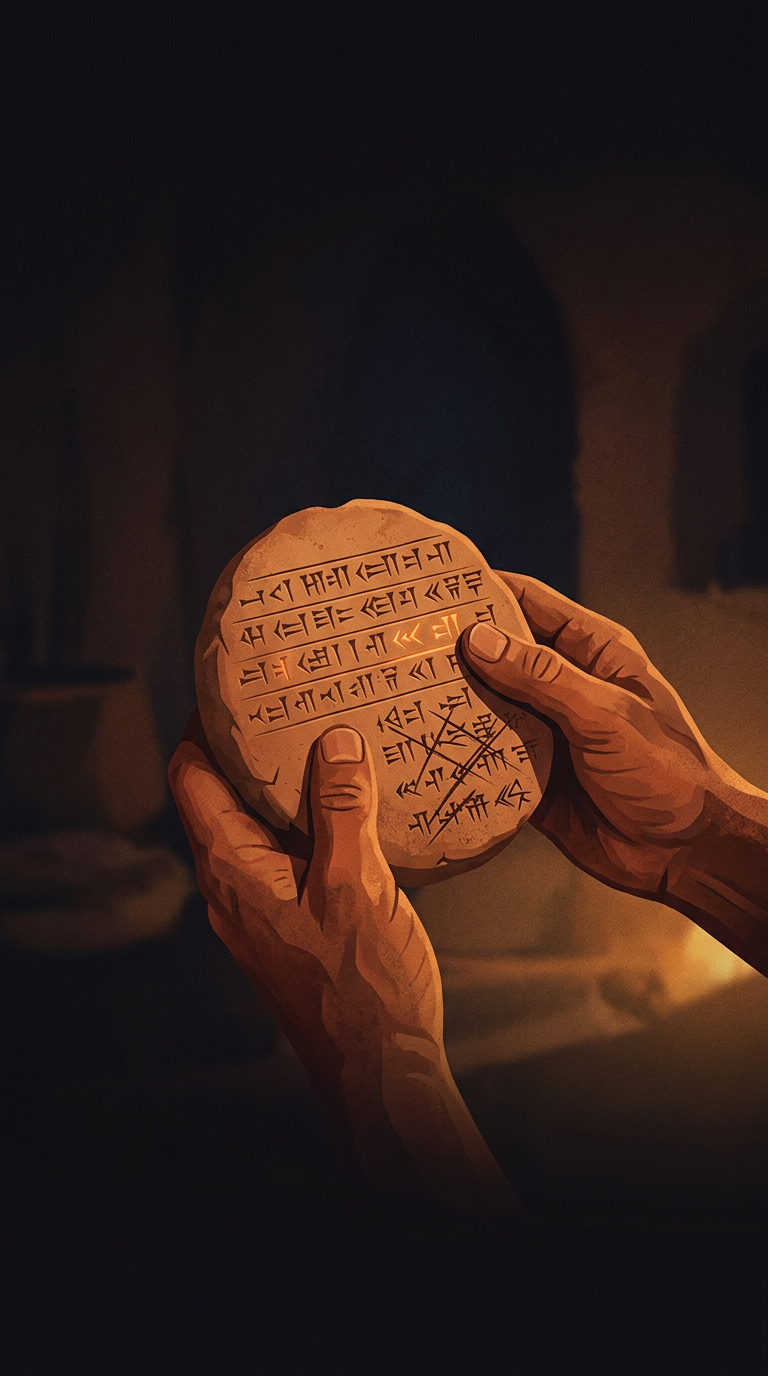
One tablet, two hands
A typical school tablet shows the master text in neat wedges on one side. Flip it over and the student's wobbly attempt covers the back, sometimes with the teacher's corrections carved over the errors.
Literature survived as practice material
Much of what we have of Sumerian classics exists because scribal schools used them as copy texts. Students reproduced sections of Gilgamesh, hymns to gods, proverbs, and mythological poems not to preserve culture but to train their hands. The literary canon was the curriculum. Thousands of these practice tablets were tossed into ancient rubbish heaps when the schools closed.
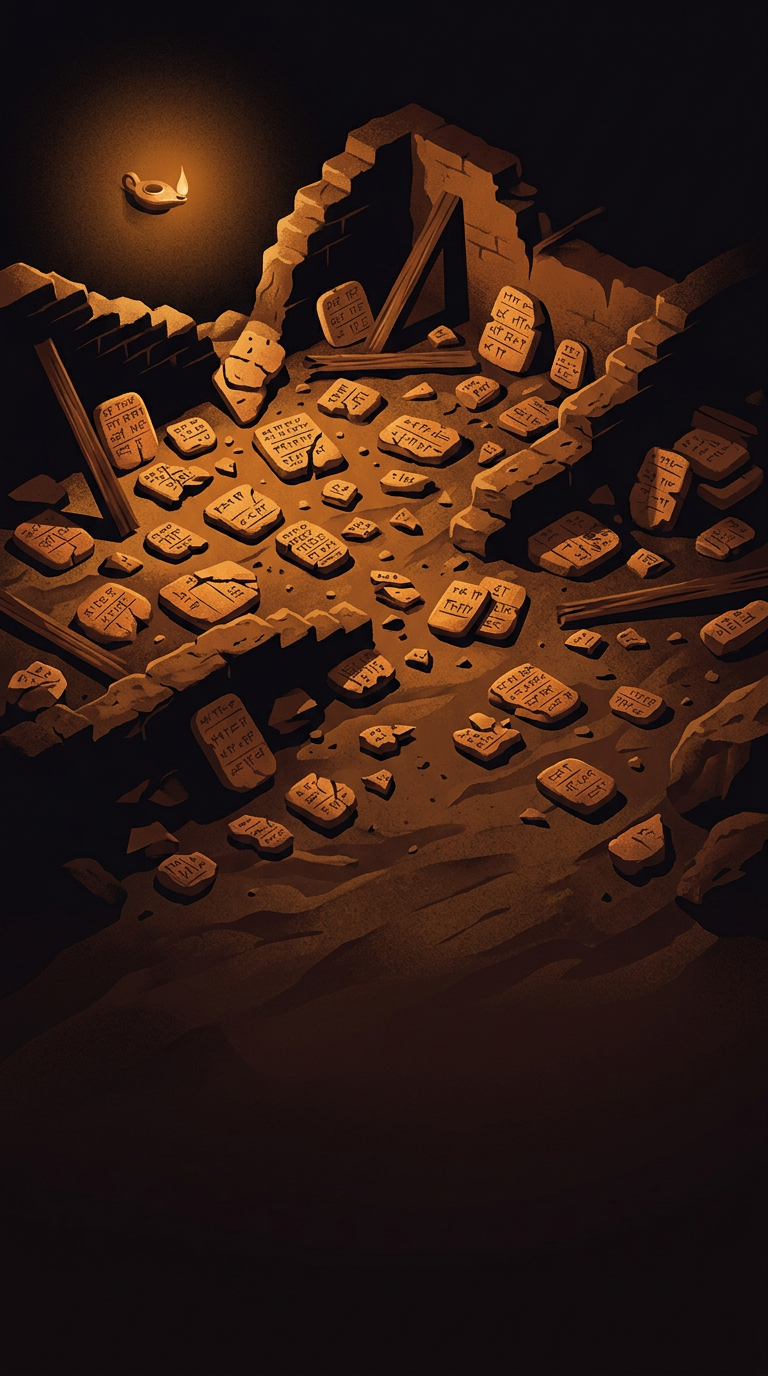
Thousands came from one school
We can see them learn
You can track a single student's progress across multiple tablets. Early attempts at a hymn show cramped, uneven signs. Weeks later the same passage appears in confident strokes. Some tablets preserve a child's first try at their own name. Others show a bored student who carved the same line 40 times and gave up.
What the students copied
stories of gods creating the world
sections of Gilgamesh and other heroes
praises to kings and deities
wise sayings and moral lessons
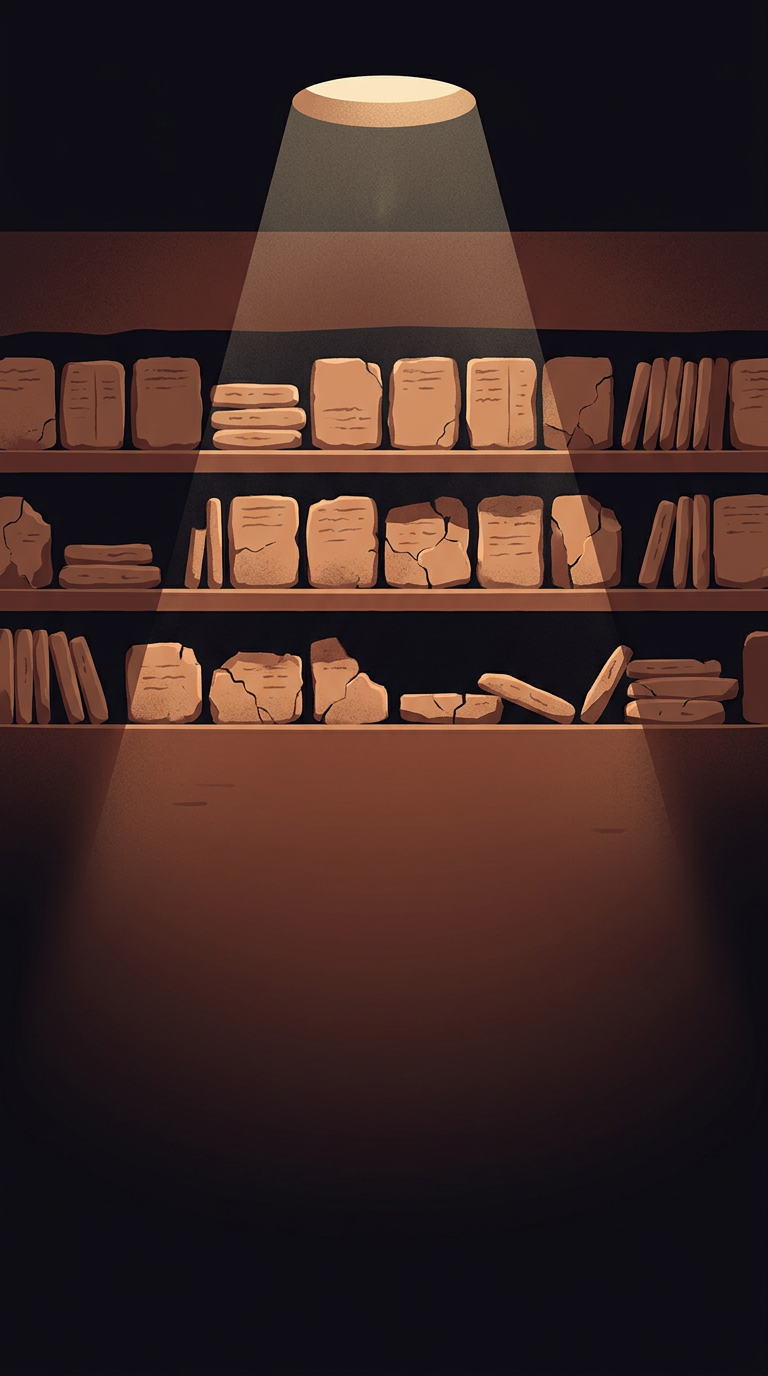
The oldest library was a classroom
You'll scroll anyway.
Make it count.
Same thumb. Same feed. Same one more pull.
Except every story leaves you a little more interesting.
Never run out of things to learn.
New stories every day, personalized for you.
Become the most interesting person in the room.
Open it to kill ten minutes. Close it with something worth repeating.
Free.